Formal university recognition established Epigram as a real institutional actor.
 Recognised by St. Joseph's University, Bengaluru
St. Joseph's University Debating Society
Epigram
A debating house where speech becomes public record.
Recognised by St. Joseph's University, Epigram brings the debate floor, editorial desk, Airwaves studio, and public record into one accountable house.
Founded 2023
Recognised 2023
Constitution 2025
Signature debatesRealta, Metaminds, Monthly Debates
Public forumsPresidential debates, civic rooms, liaison forums
Recorded outputAirwaves, magazine issues, notices, command archives
Source-Grade Evidence
Real rooms, named records, public routes.
Prestige depends on what a visitor can verify in one scan: where the society gathered, what governs it, and how speech survives after the room.
Room physical gatherings and chaired floors
Record dated notices, constitution, offices
Replay coverage, interviews, transcripts
 Founding and recognition
Rooms, dates, and public sequence make the house inspectable.
Open the history ledger
Founding and recognition
Rooms, dates, and public sequence make the house inspectable.
Open the history ledger
 Governance proof
The constitution gives offices and desks a public rulebook.
Read the constitution
Governance proof
The constitution gives offices and desks a public rulebook.
Read the constitution
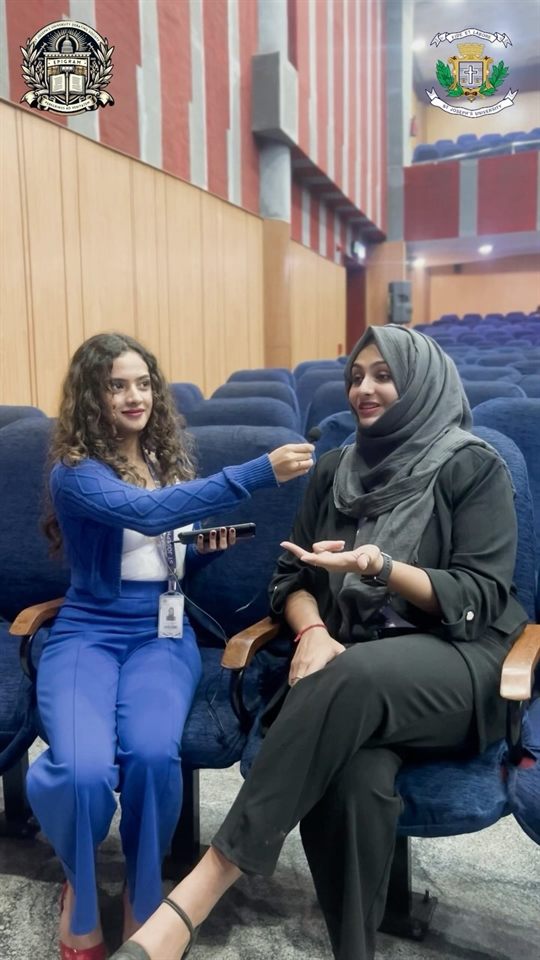 Recorded speech
Airwaves turns debates and interviews into replayable memory.
Open Airwaves
Recorded speech
Airwaves turns debates and interviews into replayable memory.
Open Airwaves
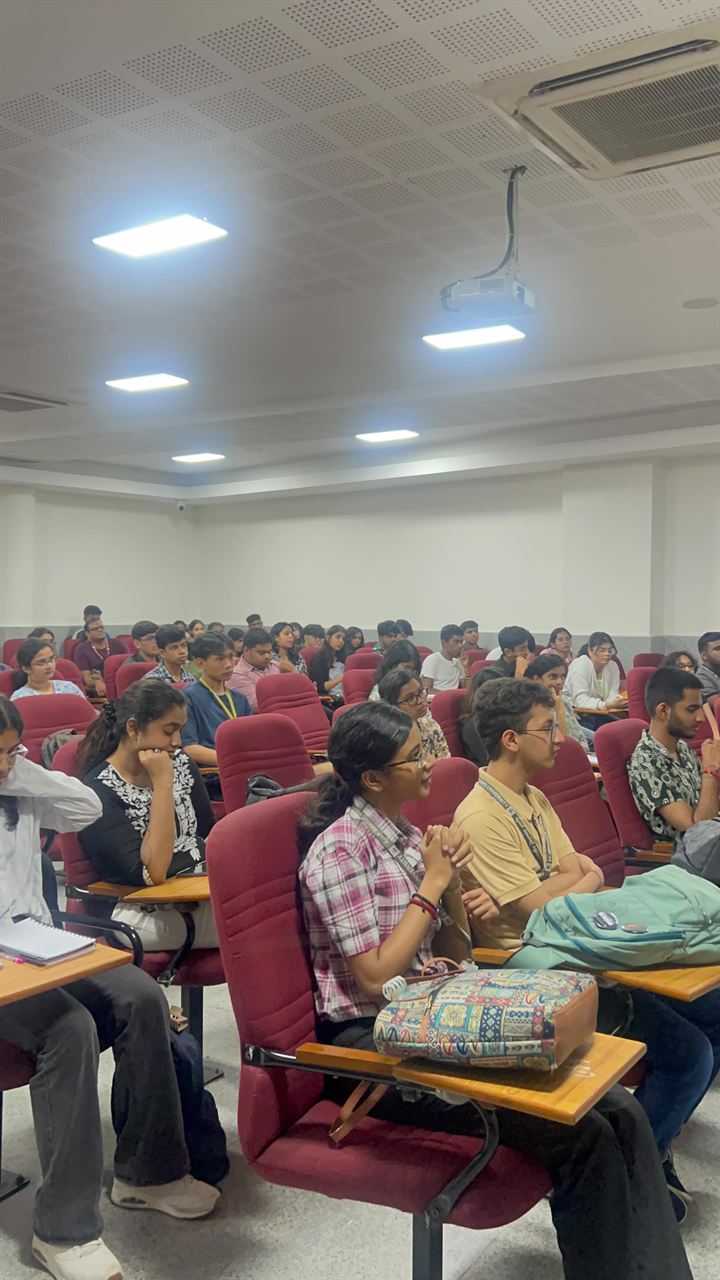
Floor Signal
An elite debating society should feel audible before it asks you to join.
The homepage now gives visitors a recognisable sensory order: the room where speakers train, the motion that tests them, the record that keeps them accountable, and the desk that turns the best work into public memory.
Institutional Proof
The mandate is public, named, and dated.
Epigram's authority comes from a visible sequence: recognised society status, public-facing work, inspectable governance, and leadership that remains attributable beyond one term.
The first presidential debate placed the society inside campus democratic life.
The constitution turned recurring practice into visible public governance.
Campus mandate
Election debates turned Epigram into a civic platform.
Presidential and vice-presidential formats, moderator structure, and public questions gave the society consequence beyond its own membership.
See Dialogues of Democracy External stage Airwaves can cover guests, institutions, and public-facing events with replay value.TEDx interviews, G20 University Connect media work, and hosted conversations show a desk that can handle more than internal promotion.
Open Airwaves Governance spine Recognition, notices, offices, and rulebook pages are organised into one legible record.Visitors do not need private access to understand who runs the house, what changed, and which document governs continuity.
Inspect records Named command Faculty, advisors, desk heads, and specialist appointments remain attributable in public.Continuity is not implied; it is carried through named offices, advisors, desk heads, and public handover records.
Meet current commandInstitutional Ledger
Prestige survives when the record is inspectable.
Epigram's public sequence is concrete: first room, university recognition, first magazine, constitution, election debates, named offices, and a durable archive.
First room on record
The inaugural classroom debate in A204 established the society's argument-first culture before the institution formally named it.
Formal university recognition
Recognition gave Epigram a mandate to act as St. Joseph's University's debating society rather than a temporary campus initiative.
First annual magazine released
Publishing the first annual magazine proved the house could shape durable writing, not only live rooms and event notices.
Constitution adopted
Offices, desks, conduct, records, and institutional continuity moved from custom into rule.
The House System
Three desks, one standard of seriousness.
Debates sharpen the claim. Publications test the argument. Airwaves preserves the voice. Together they give Epigram a recognisable shape beyond an ordinary student club.
Debating
Training for the floor
British Parliamentary, Asian Parliamentary, civic forums, motion prep, adjudication drills, workshops, and competition pathways.
Open debating
Publications
Writing that can be answered
Essays, reports, opinion, campus dispatches, issue pages, author credit, reading time, and a visible corrections culture.
Read publications
Airwaves
Public memory in motion
Episodes, event coverage, interviews, host credits, YouTube or Spotify embeds, and accessible transcripts for serious recall.
Open Airwaves
Chamber Intelligence
The chamber shows how judgement is made.
The working method is visible before anyone takes the floor: motion packet, burden test, chair line, rebuttal path, adjudication note, and post-room record.
01Motion Packet
A serious room begins with actor, scope, burden, definitions, and comparative stakes before the first speech tries to persuade.
02Clash Map
Arguments are not listed; they are weighed against live opposition, concession risk, mechanism, and impact comparison.
03Chair Line
The chair protects time, fairness, question order, and public intelligibility so the room remains a chamber rather than a crowd.
04Record Afterlife
Reports, notices, Airwaves coverage, motions, and named offices keep debate from vanishing when applause ends.
Debate Standard
The room has a rule before it has applause.
The standard of the floor is explicit: the motion is framed, the chair is accountable, speeches are weighed by clash, and the archive records what happened after the room empties.
Room packet
BP / Civic Forum
This house would require campus election debates before polling week.
- Chair line
- Define the actor, protect time, and keep every candidate answerable to a public question.
- Adjudication
- Burden, mechanism, weighing, direct rebuttal, and comparative impact.
- Record
- Motion, format, office, date, speakers, media desk, and post-room summary.
Every room begins with a claim precise enough to be opposed, weighed, and archived.
Training rewards structure, burden control, POI judgment, rebuttal, and closing compression.
Formats, timekeeping, moderator conduct, and result language stay legible to participants.
Reports, Airwaves coverage, notices, and records keep the best arguments inspectable.
Why Join
The point is not merely to attend events. The point is to grow a public standard.
Members do not enter a single activity lane. They enter a house where speaking, writing, production, research, moderation, and stewardship can all mature under one visible standard.
Formats, workshops, monthly debates, and flagship chambers give ambitious members a real debating floor instead of occasional open-mic participation.
Reports, essays, issue pages, and editorial standards move members from opinion to accountable publication.
Interviews, live coverage, reels, and transcripts give members a serious media desk rather than a disposable social feed.
Offices, notices, command records, and the constitution make stewardship legible instead of leaving each term to improvise its own rules.
Signature Programmes
Named rooms build institutional memory.
Recurring programmes give the society recognisable stakes: parliamentary clash, civic consequence, and broadcast afterlife.
Flagship debate
Floor discipline
Realta Debate
A formal parliamentary room for speeches that are judged properly, answered properly, and remembered for the quality of the clash.
British Parliamentary
Adjudication-led
Signature chamber
Enter the debating chamber
Public forum
Campus argument
Metaminds and Monthly Debates
Recurring topical rooms keep Epigram visible in campus intellectual life, from technology and power to culture, identity, and public consequence.
Recurring rooms
Topical motions
Open participation
See civic debate routes
Broadcast record
Replay value
Airwaves and Dialogues of Democracy
Presidential debates, interviews, reels, and replayable coverage preserve campus speech after applause and make the society's voice publicly examinable.
Debate coverage
Interviews
Transcript-ready archive
Open the Airwaves studio
Rooms On Record
The next room should already feel accountable.
Event discovery is framed as a docket: what the room is for, what standard governs it, and what record remains after attendance.
Before motion, chair, venue, brief
During moderated floor, audience route
After report, replay, public record
Realta and parliamentary rooms
Formal speeches, adjudication, motion prep, and a room culture built for seriousness rather than display.
BP frame
Adjudication-led
Motion prep
Public questions with public stakes
Presidential debate coverage, civic dialogues, and issue-led forums that give campus argument genuine consequence.
Public stakes
Moderated questions
Civic record
Coverage that survives after the room
Interviews, reels, episodes, and transcripts that turn student speech into an accessible public memory.
Interviews
Reels
Transcript-ready
Latest Publications
Writing, standards, and record pages.
The editorial desk keeps issue pages, essays, reports, corrections, and contributor credit close to the debate floor.
The publication floor is built to be read, not merely posted.
Browse magazine work, reports, articles, and named authors through the publication archive and reader.
Editorial standards stay visible.
Submission expectations, review posture, corrections culture, and editorial framing are legible to contributors.
Reports preserve the society's public life.
Coverage and write-ups make events, councils, and debates inspectable after event publicity has passed.
Visitor Routes
Move from curiosity to a named desk.
Each route states the standard, the evidence expected, and the desk that receives the request.
Prospective member
Apply to enter the house.
Use this route if you want training, floor time, desk work, or long-term responsibility inside Epigram.
Bring: intent, availability, preferred desk. Writer or reporter Send work to the editorial desk.Submit an article, debate report, opinion, campus dispatch, or issue pitch with author credit and review context.
Bring: draft, deck, sources, author bio. Programme lead Route a room into the calendar.Give Airwaves and the events desk enough detail to judge format, venue, coverage value, and public relevance.
Bring: date, venue, speakers, stakes. Institutional contact Reach command without guessing.For partnerships, moderation requests, media coverage, records, corrections, or governance questions.
Bring: purpose, deadline, accountable contact.Build The Next Record
Send a pitch, join a desk, or route a programme into Epigram.
Applications, editorial submissions, and event leads move into a named review path instead of vanishing into an informal inbox.